


0
Anorexia Nervosa
An eating disorder whereby one suffers from a loss of appetite resulting in self-starvation
1,385 Questions
Is it a good idea to starve yourself to lose weight?

Starving yourself is called anorexia. Anorexia can lead to serious medical problems including but not limited to death. If you need to lose weight try eating balanced meals and exercising.
Is it possible to be anorexic but not be doing it on purpose?
Certainly. Anorexia nervosa is an eating disorder characterized by a distorted body image, low body weight, and an obsesive fear of gaining weight. One characteristic of most disease-related obsessions is that the obsessed one often does not recognize the obsession, but believes he or she is applying a valid view of reality. While others may suspect anorexia nervosa in a freind or acquaintance, it is possible that other causes are at work. Such suspicions should be referred to experts for complete diagnosis. Non-experts acting on such suspicions can be as damaging as the suspected disease in some cases.
How many people suffer from hemorrhoids?
Hemorrhoids are a fairly common problem among adults in the United States and Canada; it is estimated that ten million people in North America, or about 4% of the adult population, have hemorrhoids.
The two types of Anorexia according to the APA is as follows:
Type I - Reduced appetite or refusal to eat or maintain a healthy weight. In other words they just don't eat.
Type 2 - Reduced appetite or refusal to eat, and when they eat, will purge. In other words, they are pretty much the same as type 1, but they also show bulimic tendencies.
Can you have anorexia and still want to eat?
Yes, you can still have a eating disorder (anorexia) without actually being underweight.
Anorexia is dangerous because it can severely damage the body by depriving it of needed nutrients. Anorexic people have a distorted picture of themselves as fat and don't know they have a problem which is dangerous.
Anorexia is a disorder of the mind. It's victims suffer because they constantly feel worn out and hungry, but they cannot eat because it makes them feel guilty, and they fear any intake of food will make them fat, although most anorexic people have very very low BMI's.
Beyond that, they are always grumpy/ tired - energy comes from food - they are not emotionally or physically sound, so anorexia affects relationships and everyday life.
There is usually an overriding sense of fear, which makes sufferers scared that they might lose control over their body by talking about their problem to others. Those who are close to suffers of anorexia commonly do not know how to react to the situation.
Physically, the body is deprived of calories. If this persists, a sufferer may have so little fat that hormone production shuts down and and their hair, skin and nails get really ugly, dry, and brittle. The ceasing of hormone production can cause a loss of menstrual periods, which can cause sterility. It can also cause the development of osteoporosis at a young age - 20's or 30's
Anorexia is not only dangerous, it's a disease.
It is very dangerous because this disease that takes over your mind can kill you if you allow it to, but don't get medical attention immediately in-case of faintness or other symptoms.
Those who suffers this disorder should seek medical help and/or counsel support from a professional or a support group.
What is it called when you starve your self to stay skinny?
This is called Anorexia (a common eating disorder.) Anorexia is a very deadly and dangerous way to loose weight. Please, loose weight the safe way by excercising more, and cutting back on snacks and sweets.
What is the chance of dying if you have anorexia?
About 10% of anorexics will ultimately die either directly from the disorder, or from a cause directly stemming from the disorder (medical side effect).
What is an easy way to become anorexic?
Yes. Don't become anorexic. Anexoria and Bulimia are eating disorders. They are generally found in people, more often women, with more deeply seated issues that could be approached with counseling and/or medical attention. Looking for advice on how to have a life threatening condition is not a good approach. Pleaes seek professional help immediately. Permanent body damage and death are more common outcomes of anorexia than anything positive.
What part of the world is anorexia most common?
Anorexia is most common found in what is known as "Western Society". This is for a few reasons. A main one is that this particular area holds a large percentage of the world's population, and it also heavily filled with media sources and ideals of thin-ness. Anorexia almost only (95%) affects those in the upper- or middle-classes. This is because those "more priveledged" than the lower-classes or those in poverty know that food is available, and can limit it as there almost is no chance of a real food-shortage or starvation for them.
Disease associated with anorexia?
Anorexia can psoe many heath risks. The skin can become dry and flaky, and hair can become brittle or fall out. Nails become discolored. Anorexics are at high risk to suffer from organ malfunction or failure, particularly in the liver and kidneys and especially in the heart. Low body fat and weight and malnutrition can lead to dizziness, fainting, fatigue, low blood pressure, brittle bones prone to cracks or breakages, increased risk of infection, and an increased risk of hypothermia.
How does anorexia affect your life?
It often makes you lose friends, and wrecks relationships. Anorexia completely takes over your life, and often comes back even if you get better. If you know someone who you suspect is anorexic, or shows any signs of anorexia, you should tell someone, because the sooner someone is helped the better. Anorexia really affects your life, it can completely change your life, and also affects the lives of people around you. You can end up in hospital, or even dead. Also, you will basically become a corpse and even though you supposedly don't care about food anymore, trust me, you won't be able to focus on anything but food.
Which one is worse obese or anorexia?
Well it really depends....If the person is really obese and unhealthy than he could have heart failure. Also, being anorexic can cause you to get dehydrated or really hungry (starved)
WHO THINKS UP THESE QUESTIONS??
What are the two main eating disorders?
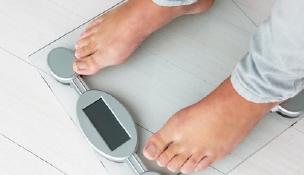
All parents share similar concerns regarding their children, but some issues are inherently more serious than others. One of the most damaging and increasingly common problems seen in children today is the development of dangerous eating disorders, particularly in teens and preteens.
Types of Eating DisordersThe most common types of eating disorders are anorexia nervosa and bulimia nervosa. Both are incredibly dangerous mental disorders that affect the body's ability to grow and to function properly. By its very nature, anorexia starves the body of all nutrients, causing extreme weight loss and the eventual failure of organs and vital bodily functions. Bulimia, while very similar, involves the repetitive act of binge eating followed by obsessive purging of food, whether through vomiting or the excessive use of laxatives.
The eating disorder sufferer becomes so preoccupied with his or her weight and diet that nothing else seems to matter. Personal relationships suffer and extracurricular activities are often forgotten. Health issues may not become immediately apparent, as the body will use up any reserves of stored fat before attacking vital organs for nourishment. It is immensely important that professional counseling be implemented as soon as possible after the first signs of an eating disorder are noticed.
Binge eating disorder has become more common in the past two decades and is similar to bulimia in that it involves the consumption of large amounts of food all at once. Binge eating disorder, however, does not involve the purging process associated with bulimia, so the sufferer gains a substantial amount of weight rather than loses it. This disorder, when left untreated, can lead to a lifetime of obesity and cardiac problems.
Proactive Parenting to Avoid the Development of Eating DisordersHealthy eating habits in parents have been shown to reduce the risk of eating disorders in children and teens. When a mother, for example, chooses to eat and exercise healthily rather than starving herself to attain a particular appearance, her children follow her example to achieve the same. When a parent constantly finds flaws in his or her physical appearance, children tend to pick up on these negative vibes and subject themselves to this type of thinking.
As mothers and fathers must learn to be successful parents, so must children learn to become efficient and healthy adults. With the right amount of proactive interaction and careful personal choices, parents can help their children see themselves in a positive and healthy light for life.
What are some good tips for starving yourself that help you lose lots of weight?
Starving oneself is not the best way to lose weight. Take it from someone who lost 40 lbs in six weeks...me! If you starve yourself, your brain will shut down your metabolism in an effort to save energy, and your weight loss actually becomes slower.
First of all, avoid sugar and caffeine. Consuming sugar or caffeine will simply make your body burn that for energy first, and not burn fat. Also avoid high fat foods.
Eat small meals, several times a day. Mostly eat vegetables, with very little meat. When you do eat meat, stick with fish and poultry, which are low in fat. Eat breakfast! That jump starts your metabolism in the morning. What you are trying to do is teach your brain that you are going to give it some fuel several times a day, so it won't be as likely to store fat, because it will learn the pattern that there is another small meal coming shortly.
When I say small meals, I mean very small, snack size meals. The ideal is to actually decrease the overall amount of intake, AND spread it out across the day evenly. Also, don't eat after dark. You need not give your body anything to store over night while you are sleeping.
What are some characteristics for anorexia?
Anorexia is noted for its sufferers eating very little, sometimes to the point where they are lliterally staving themselves. Most anorexics will strictly limit what they eat to low-cal foods. Lots of liquids are consumed, because they fill you up and can easily come with falvor without the calories. (water, flavored water, most teas, diet sodas, ect.) Also, any food is usually monitered by the person for the exact calorie count so that they know how much to work out (to burn it off) later on in the day. While eating with others (which anorexis often do, so people think that they eat more often then they really do), anorexics may play with their food or sneak it, to make it look like they are eating when they aren't.
How many person dies each year from anorexia?
In the United States, at least 1,000 people die each year from anorexia (not including other eating disorders). over 5 million people, men and women, suffer from anorexia alone. these numbers aren't counting other countries, but im sure the number would increase 10 fold. however, the united states houses the most eating disordered people (europe is close behind, along with australia), so the US can always be sure it'll win that competition.
Who is likely to suffer from anorexia?
About every 1 out of every 100 teenage girls and young women suffer or have suffered from anorexia. The average age of onset is 17. Approximately 1% of individuals with anorexia are male. This disorder affects all races and ethnic backgrounds but is most common among Caucasians
How many pounds can you lose if you starve yourself for 20 days?
No this is not save, there is a problem with starving your self. It is called anerexia and it does not have a good out come. Please do not stop eating for twenty days it can lead to may problems and if you don't do it for twenty days, it can get into your head and you can be addicted to not eating. SO DON"T
What is the treatment for anorexia?
Anorexia is not a physical disorder but a psychological syndrome. Psychological or psychiatric counseling or group therapy are recommended. In some cases a person may overcome this situation with the appropriate reading and practice of professional advice Ans) Anorexia's treatment varies from person to person. It also depends on what anorexia stage you're in. typically, anorexia treatment consists of private counseling, psychiatric care, nutritional education, medical care, and family therapy. Refer to some useful online resources to know more about it.
How many teens die from anorexia nervosa?
About 10% of all teens with eating disorders will die directly from the disorder.
Yes, often there will be a significant weight gain. The time it takes to gain that weight depends on how much is being consumed and various factors about the individual person.
- Diet pills. sometimes some yogurt. if you starve yourself your body goes into starvation mode. it begins by eating your muscles away til they're gone. the second you start eating again, it latches onto the energy and stores it improperly causing you to gain weight, maybe even more than before you lost weight. Anorexia is a terrible, terrible way to lose weight. there are much much much much healthier ways. Do not aim for skinny and unhealthy, aim for fit. try to be toned, not itty bitty twig. if you are working out and building muscle (low weight high reps, strong, long, and lean muscles, very attractive) you need to eat protein at every meal. One third of your diet should be carbs, and no more. once you reach your target, a little less than half of your diet should be carbs for healthy food intake. eat a banana for dessert instead of cake, it helps your muscles.
- I have a Goddaughter that has Anorexia and the one thing I have noticed is Anorexics often love to cook for others, but seldom eat what they cook. She sticks to more fruits, veggies, salads, no protein, waters down her orange juice and spreads her food on her plate to make it look like more. She also will use ways of getting one's attention onto something else other than her eating. When not eating properly young women with Anorexia will cease to have their periods and this is not healthy and can cause a myriad of health problems as they grow older. She is in counseling and not one of us mention her eating habits when we are around her. It only agitates the situation. Of course we are keeping an eye on things for her healths sake. She is tall and putting on a little more weight slowly. She is also active. It truly amazes my husband and I as she loved all cultures of food. Her mother is Asian, her father Caucasian and they loved food and ate anything from Greek, Asian foods and so did my Goddaughter. Now it troubles us to see her eat very little and it all started when she was around 14. Protein such as meats, seafood, dairy and beans are great for the brain and without it, the brain starves. The person may become light-headed or dizzy and finds it difficult to concentrate thus, they can do poorly in school or in the workplace. Leafy green vegetables and grains are excellent to clean out the body and keep the intestines and colon clean. Water (8 - 8 ounces of water) helps to flush out fats and other toxins in the body and keep liver and kidneys clean and healthy. Other vegetables are also a necessity for the body. Anorexia is a mental disorder. Generally a person with Anorexia feels they don't have their total independence or any control over their lives and they have usually be regimented in their past daily lifestyle. The only control they have is what they eat or don't eat (this also can include the elderly in nursing homes.) The person sees themselves as "too fat" or "not perfect." We can thank their peers, advertisers, actors, models for this. Even clothes designers can be blames for the skeletal look in young women. The good news is that "wholesome, well-rounded figures are now in and the twiggy look is out!" Western countries are now looking more into the diets of all of society ... some too over-weight, others too thin or in an Anorexic or Bulimic state. There is no such thing as "Perfection" and thus, striving to attain it through body imagine is a useless cause. If one eats well, drinks that water, exercises then what they turn out to be is who they should be. It is also noted by a panel of young men in a study that they don't enjoy dating girls that are under-weight and refuse to eat a decent meal they have paid for and find it annoying when a young woman picks at her salad and then says she's full. If you or anyone you know has Anorexic or Bulimic qualities about them it's important to let them know there is help out there if they want it.
- One Diet is to eat only buttered bread and pints of water. In around four days you will start too see your rib cage. you MUST Stop when you see your ribs and eat mainly celery and very low calorie food. If you tell people about your 'diet' they may think you are doing it for attention or your a poser. If you know anyone Who is anorexic or bulimic tell a person you trust. Remember : Anorexia is a psychological problem.
Would you rather look good for a little while, or wear a size ten and be able to take advantage of a full lifetime of opportunities? I'm 20 years old, and also suffered from anorexia when I was 15, before it became as publicized as it is now. When I was admitted into the hospital, the doctor's said my heart was 2 days away from stopping, and my blood pressure was so low I should be on the ground convulsing. I weighed 70lbs. I didn't realize until after I was out of the hospital 2 1/2wks later, how bad i looked before when I saw a picture of myself. It truly is a psycological problem, things that happened in my life that i didn't deal with at the time brought me to this. I'm so blessed to still be alive, and i couldn't imagine missing out on my life because of this disease. I don't believe these are "tips" on how to be anorexic, I believe there more of warning signs, because all of the things listed above, I was doing about 99% of those. I reach out to anyone that suffers from this, it is a life long battle. Although I've been lucky enough not to relapse, there's still days I look in the mirror and think "yeah you could lose a few lbs" I weigh 100lbs, and i know if anything i should gain a few lbs, but there's always gonna be that idea in the back of my mind that i could improve my body.
What are the symptoms of anorexia nervosa?
There are many symptoms of anorexia. Some common ones are...
Weight loss / protruding bones.
Not eating, or only eating very little / eating only "safe" (low-calories, low fat) foods.
Excessive exercise.
Hair loss.
Dry skin / flaky skin.
Discolored nails (usually a faint blue or purple).
Wearing baggy or different clothes to hide weight loss.
"Odd" food habits.
Obsesses over food, health, body image, ect.
Defensiveness over food, weight, food, ect.
Heart problems.
Organ weakness / failure.
Low body temperature.
Low heart rate.
Dizziness, fainting.
Weakness.
Mood swings.
Depression.
Victims of anorexia avoid eating situations, weighs themselves frequently, monitors food intake carefully, develops rigid food rituals and avoids certain foods, they are unhappy with their body size, and they develop a denial of hunger. Some emotional and mental signs include: depression, social isolation, low self-esteem and self-worth, controlling personality, perfectionistic, rigid, inflexible, low sex-drive, inability to concentrate and insomnia. Some physical signs include low-body-weight, lack of energy, fatigue, unsteady gait, complains of being cold or having tingling in hands and feet, thinning of hair loss and excessive exercise.
